Closing chapter: Highlights and key figures from the project
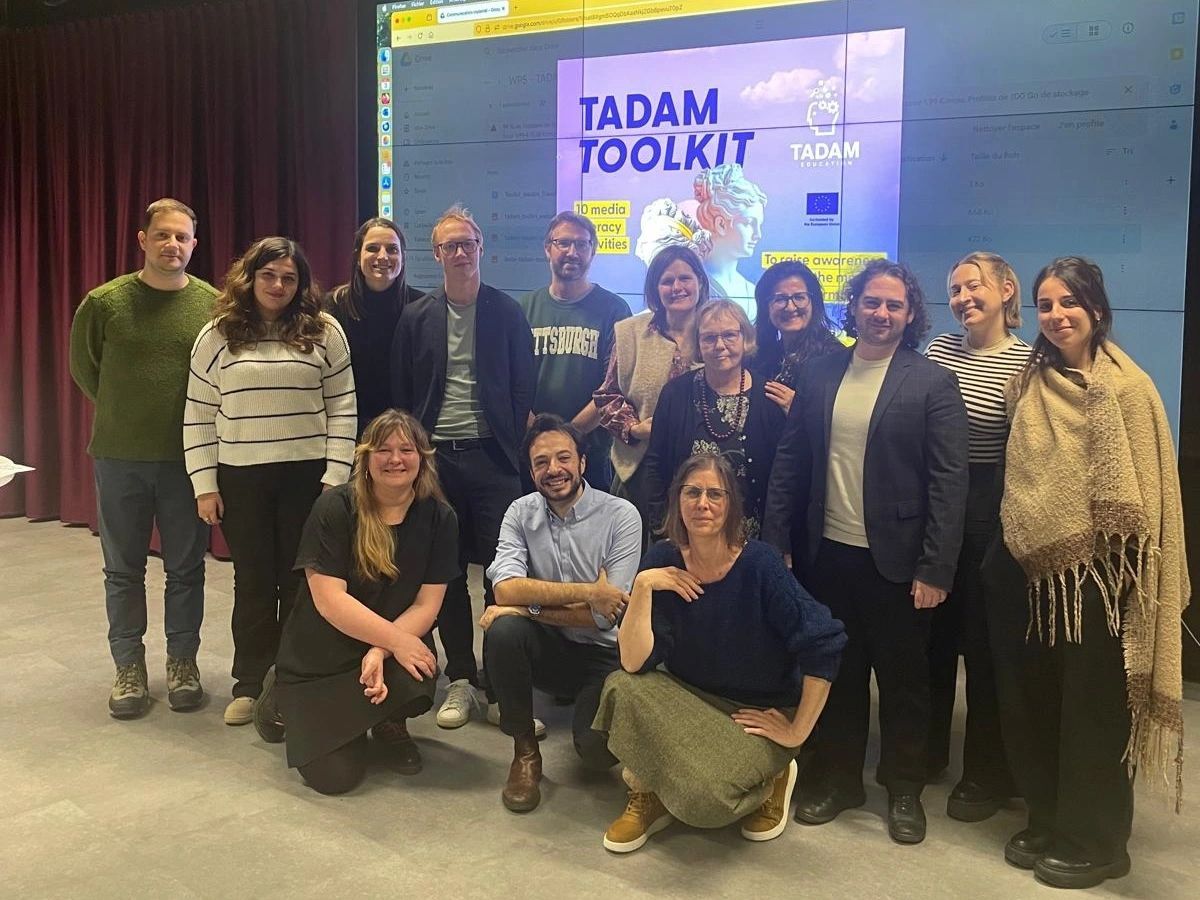
The TADAM partners met in December 2025 for a final time at a transnational meeting in Tampere, Finland, providing an opportunity to reflect on the project’s outcomes: What were the impacts of the project? What had been achieved? What worked well, both in terms of content and in the collaboration between partners?
Among the main highlights, the consortium of partners shared that the TADAM project offered them substantial learning regarding AI from a media literacy perspective. Strong collaboration between research and associative sectors empowered the partners and helped shift mindsets about AI from a purely technical subject to one encompassing media literacy, ethics, and representation.
The initial cross-perspective seminar inspired partners and laid the groundwork for jointly defining the project’s five main priorities, providing an innovative and impactful approach to maintaining focus on AI throughout the project.
In terms of project management, these shared priorities and objectives established at the outset created a stable framework to guide activities, decision-making, and evaluation.
The TADAM project effectively raised awareness among citizens, particularly through decentralized workshops grounded in field practices, which fostered strong participant engagement and proved more effective than online-only formats.
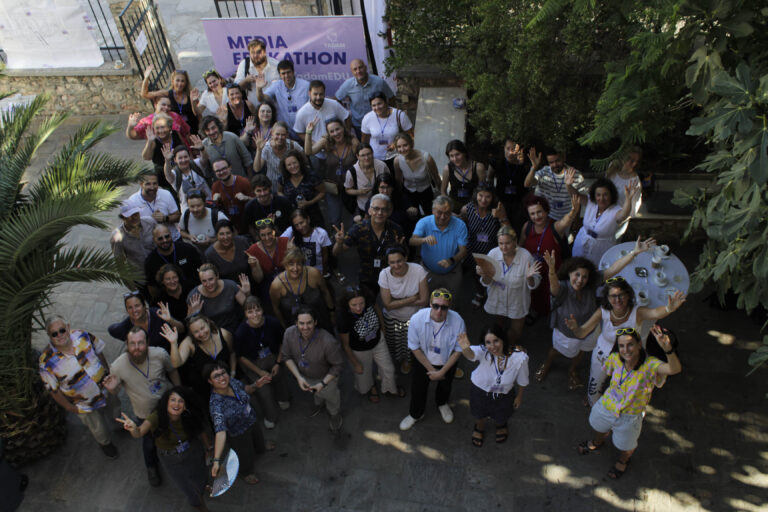
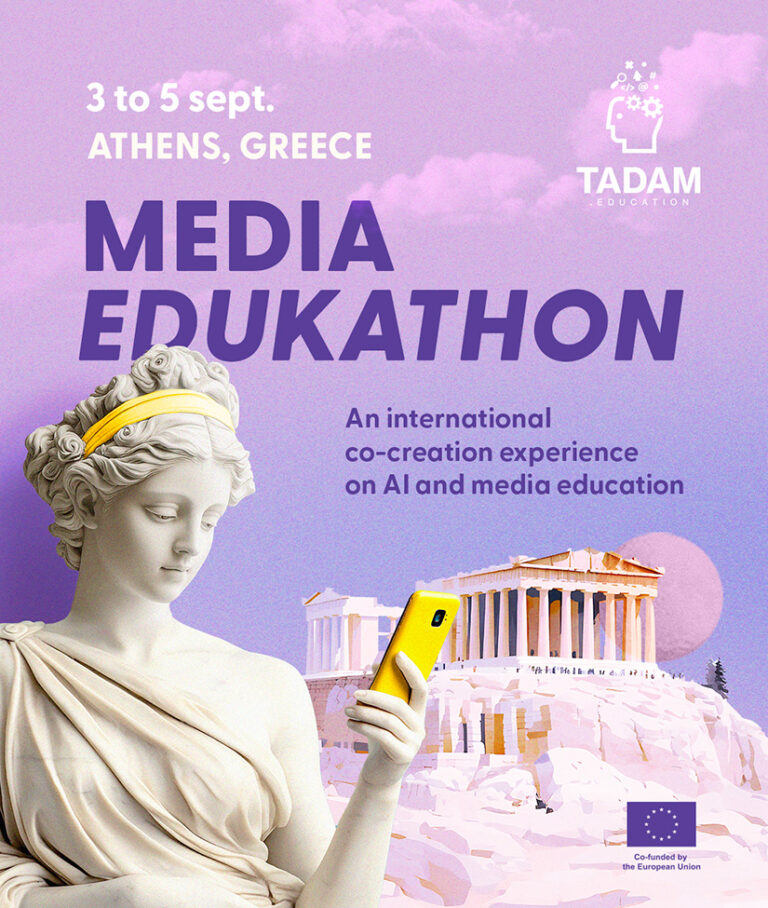
The Media Edukathon stood out as a key experience, combining high participation with innovative methods and becoming the most memorable and impactful aspect of the project.
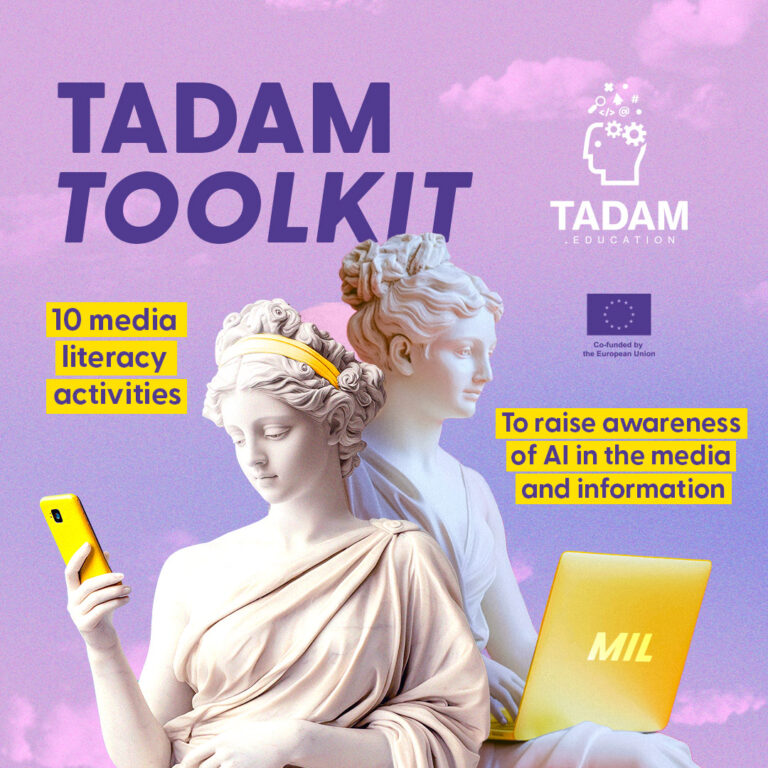
By emphasizing practical activities, the project produced resources and guidelines on AI in media and information, notably through co-creative methodologies during the Media Edukathon. The TADAM toolkit offered concrete, transferable methods to approach AI, with potential for integration into future curricula.
As a conclusion, the partners assessed the project’s outcomes and confirmed that the main objectives had been achieved. Citizens were empowered on media and information literacy related to algorithms and AI, while cross-sectoral and transnational collaboration fostered knowledge exchange and scalable practices. Additionally, trainers and resource centres were equipped with multilingual guidelines and materials, and a European media literacy community of practice was strengthened through bottom-up and co-designed approaches.
Key figures
Participants by activity:
- Initial Seminar: 121 participants (52 on-site)
- Regional workshops: 511 participants
- Media Edukathon: 59 participants
- Online webinars: 90 participants
Total: 781 individual beneficiaries
278 communication activities
- 208 social media posts
- 33 newsletters
- 37 website articles
16 academic conference presentations, reaching 662 participants
3 academic articles published and 6 currently being written
29 TADAM events organised
- 1 Initial Seminar,
- 22 Regional workshops
- 1 Media Edukathon
- 5 Online webinars
(target: 12)
Good practices and activities identified or developed: 35
- 15 from regional workshops
- 9 from Media Edukathon
- 6 from show-and-tell sessions
- 5 from online webinars
External organisations involved:
- Initial Seminar: 28
- Regional workshops: 20
- Media Edukathon: 28
19 Nationalities represented (in physical events)
Afghanistan, Belgium, Bulgaria, Finland, France, Georgia, Germany, Great Britain, Greece, Hungary, Italy, Lithuania, Macedonia, Malta, Montenegro, Romania, Serbia, Spain, Ukraine
Languages of the final toolkit: 6